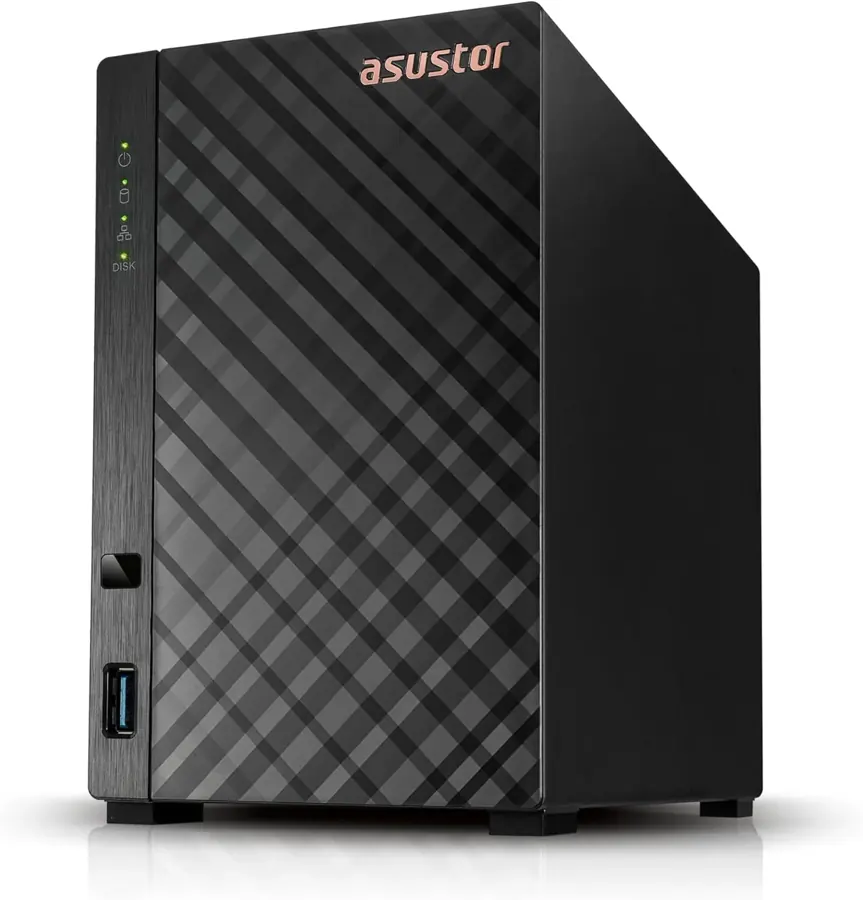
Drive Bays and Expansion: NAS planning check 1
Drive Bays and Expansion matters because office NAS buying is really about the recovery story, not only the box on the shelf. A small business can own a powerful device and still be exposed if permissions, snapshots, drive health, offsite copies, and restore drills are never defined.
Start with the files that would stop the office if they disappeared: client folders, accounting exports, shared templates, project archives, and device backups. Then decide who can read, write, delete, or restore those files.
Look for review patterns around setup clarity, fan noise, drive-bay access, app reliability, and failed-drive replacement.
This page supports the main NAS office backup guide and gives one top contextual path to the LeStallion product shortlist after the workflow is defined.
Drive Bays and Expansion: NAS planning check 2
Office backup decisions should be written in plain language. Name the folders, the people, the backup frequency, the retention window, and the restore owner. Vague plans fail when the office is rushed.
Check how the device handles notifications, snapshots, cloud sync, and failed drive replacement. A NAS that is easy to monitor is usually safer than a more impressive unit nobody checks.
Also separate convenience from protection. Remote access may help hybrid staff, but it should not open shared storage casually. Prefer VPN-aware access, strong accounts, and limited permissions over broad exposure.
For a practical review, ask what would happen after a deleted proposal, a failed drive, a laptop theft, and a ransomware scare. If the NAS plan cannot answer those four situations, the hardware choice is still premature.
Small offices also need a human routine, not only an app setting. Put the backup check on a calendar, rotate responsibility if needed, and keep the restore notes where a nontechnical manager can find them. This turns the NAS from hidden infrastructure into an office habit that can survive vacations, turnover, and urgent client deadlines.
Drive Bays and Expansion: NAS planning check 3
Office backup decisions should be written in plain language. Name the folders, the people, the backup frequency, the retention window, and the restore owner. Vague plans fail when the office is rushed.
Check how the device handles notifications, snapshots, cloud sync, and failed drive replacement. A NAS that is easy to monitor is usually safer than a more impressive unit nobody checks.
Also separate convenience from protection. Remote access may help hybrid staff, but it should not open shared storage casually. Prefer VPN-aware access, strong accounts, and limited permissions over broad exposure.
For a practical review, ask what would happen after a deleted proposal, a failed drive, a laptop theft, and a ransomware scare. If the NAS plan cannot answer those four situations, the hardware choice is still premature.
Small offices also need a human routine, not only an app setting. Put the backup check on a calendar, rotate responsibility if needed, and keep the restore notes where a nontechnical manager can find them. This turns the NAS from hidden infrastructure into an office habit that can survive vacations, turnover, and urgent client deadlines.
Drive Bays and Expansion: NAS planning check 4
Office backup decisions should be written in plain language. Name the folders, the people, the backup frequency, the retention window, and the restore owner. Vague plans fail when the office is rushed.
Check how the device handles notifications, snapshots, cloud sync, and failed drive replacement. A NAS that is easy to monitor is usually safer than a more impressive unit nobody checks.
Also separate convenience from protection. Remote access may help hybrid staff, but it should not open shared storage casually. Prefer VPN-aware access, strong accounts, and limited permissions over broad exposure.
For a practical review, ask what would happen after a deleted proposal, a failed drive, a laptop theft, and a ransomware scare. If the NAS plan cannot answer those four situations, the hardware choice is still premature.
Small offices also need a human routine, not only an app setting. Put the backup check on a calendar, rotate responsibility if needed, and keep the restore notes where a nontechnical manager can find them. This turns the NAS from hidden infrastructure into an office habit that can survive vacations, turnover, and urgent client deadlines.
Drive Bays and Expansion: NAS planning check 5
Office backup decisions should be written in plain language. Name the folders, the people, the backup frequency, the retention window, and the restore owner. Vague plans fail when the office is rushed.
Check how the device handles notifications, snapshots, cloud sync, and failed drive replacement. A NAS that is easy to monitor is usually safer than a more impressive unit nobody checks.
Also separate convenience from protection. Remote access may help hybrid staff, but it should not open shared storage casually. Prefer VPN-aware access, strong accounts, and limited permissions over broad exposure.
For a practical review, ask what would happen after a deleted proposal, a failed drive, a laptop theft, and a ransomware scare. If the NAS plan cannot answer those four situations, the hardware choice is still premature.
Small offices also need a human routine, not only an app setting. Put the backup check on a calendar, rotate responsibility if needed, and keep the restore notes where a nontechnical manager can find them. This turns the NAS from hidden infrastructure into an office habit that can survive vacations, turnover, and urgent client deadlines.
Drive Bays and Expansion: NAS planning check 6
Office backup decisions should be written in plain language. Name the folders, the people, the backup frequency, the retention window, and the restore owner. Vague plans fail when the office is rushed.
Check how the device handles notifications, snapshots, cloud sync, and failed drive replacement. A NAS that is easy to monitor is usually safer than a more impressive unit nobody checks.
Also separate convenience from protection. Remote access may help hybrid staff, but it should not open shared storage casually. Prefer VPN-aware access, strong accounts, and limited permissions over broad exposure.
For a practical review, ask what would happen after a deleted proposal, a failed drive, a laptop theft, and a ransomware scare. If the NAS plan cannot answer those four situations, the hardware choice is still premature.
Small offices also need a human routine, not only an app setting. Put the backup check on a calendar, rotate responsibility if needed, and keep the restore notes where a nontechnical manager can find them. This turns the NAS from hidden infrastructure into an office habit that can survive vacations, turnover, and urgent client deadlines.
Practical buying notes for drive bays and expansion
Choose capacity after estimating real growth. Office backups tend to expand through old project archives, device images, accounting exports, and media folders. Leave room for snapshots and retention instead of filling drive bays on day one.
Restore testing deserves calendar time. A backup that cannot be restored quickly is only a comforting dashboard. Test one small folder, one versioned file, and one user-permission mistake before trusting the setup.
Related reading
Return to the main NAS office backup guide, compare options on LeStallion, or review the previous cloud page on conference-room Bluetooth transmitters.